Creating a home workspace that balances productivity and relaxation can greatly improve your work-from-home experience. A well-designed workspace helps you stay focused, reduce stress, and separate your professional and personal life. Whether you have a dedicated room or just a small corner, these tips will guide you to set up a comfortable and efficient environment.
Choose the Right Location
Start by selecting the best spot in your home for your workspace. Ideally, this area should be quiet and free from distractions. If possible, pick a place with natural light, which can boost mood and energy levels. A window view is a bonus, offering occasional breaks for your eyes and mind.
Invest in Comfortable Furniture
Comfort plays a key role in your productivity and wellbeing. Here are some essentials to consider:
– Ergonomic Chair: Support your back with a chair designed for long hours of sitting. Adjustable height and lumbar support are important features.
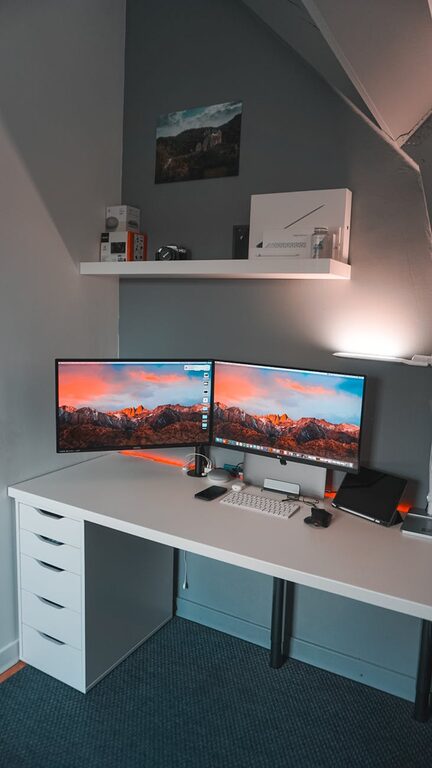
– Quality Desk: Choose a desk with enough surface area for your computer, papers, and other work tools. Standing desks or adjustable desks offer flexibility.
– Footrest: If your feet don’t touch the floor comfortably, a footrest can improve posture and reduce discomfort.
Organize and Declutter Your Space
A cluttered workspace can cause distractions and stress. Keep your desk tidy with the following strategies:
– Use drawer organizers to store stationery and small items.
– Employ shelves or filing cabinets to keep paperwork off your desk.
– Limit desktop items to essentials only.
– Set aside a small basket or box for charging devices or miscellaneous objects.
Regularly cleaning your workspace helps maintain a pleasant and inviting environment.
Personalize Without Overdoing It
Adding personal touches to your workspace can make it more inviting, but too much decoration can be distracting. Consider:
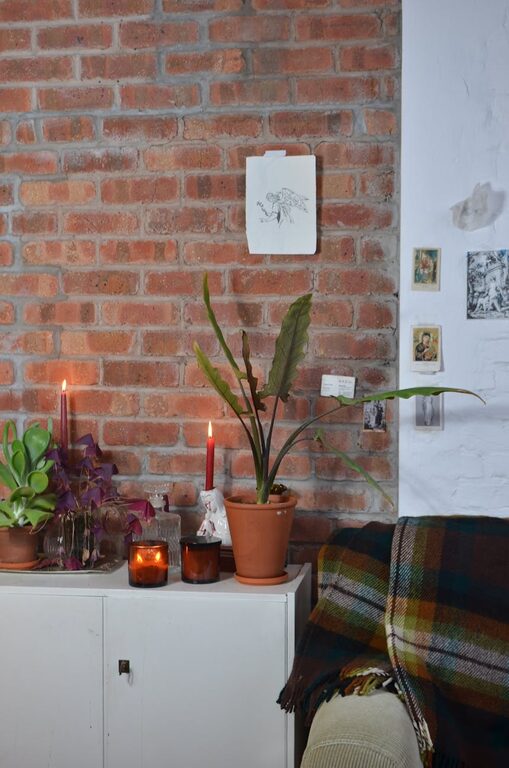
– A small plant to bring a touch of nature indoors.
– Inspirational quotes or art that motivate you.
– A favorite mug or a cozy lamp for warm lighting.
Keep it simple to maintain a calm atmosphere.
Manage Lighting Effectively
Lighting affects both your mood and how well you can see your work. Follow these tips:
– Maximize natural light during the day.
– Use a desk lamp with adjustable brightness to reduce eye strain.
– Avoid excessive glare on your computer screen by positioning lighting thoughtfully.
– Consider warm lighting in the evening to help you wind down if you work late.
Create Boundaries for Work and Relaxation
Separating your work area from living spaces helps your brain switch between work mode and relaxation mode. If space is limited, try these ideas:
– Use room dividers or curtains to visually separate your workspace.
– Establish set work hours and communicate them with household members.
– At the end of the day, clear your desk and turn off work-related devices.
Use Technology to Stay Organized
Leverage technology to streamline your workflow and reduce stress:
– Use digital calendars and task managers to plan your day.
– Employ noise-cancelling headphones to minimize distractions.
– Set up apps that remind you to take breaks and move around.
Keeping your devices updated and your internet connection stable also supports productivity.
Incorporate Relaxation Techniques
Taking breaks and managing stress is essential for sustained productivity. Incorporate these habits:
– Practice deep breathing exercises or short stretches at regular intervals.
– Use a timer to remind yourself to stand up or change tasks after a set period.
– Maintain hydration and keep healthy snacks nearby.
Balancing work with brief relaxation helps maintain focus throughout the day.
Keep Your Workspace Airy and Fresh
Good air quality can boost concentration and prevent fatigue. To improve your workspace environment:
– Open windows for fresh air when possible.
– Use an air purifier if needed.
– Avoid placing your workspace near strong-smelling areas like kitchens or garbage bins.
Final Thoughts
Creating a relaxing and productive home workspace is about more than just aesthetics; it’s about crafting a place that supports your work habits and wellbeing. By paying attention to location, comfort, organization, and ambiance, you can foster an environment where work feels manageable and stress is minimized. Start with small changes and adjust your workspace as needed to find the perfect balance for you.